



Best time to surf in Somo

Hossegor 2026 : Events Calendar
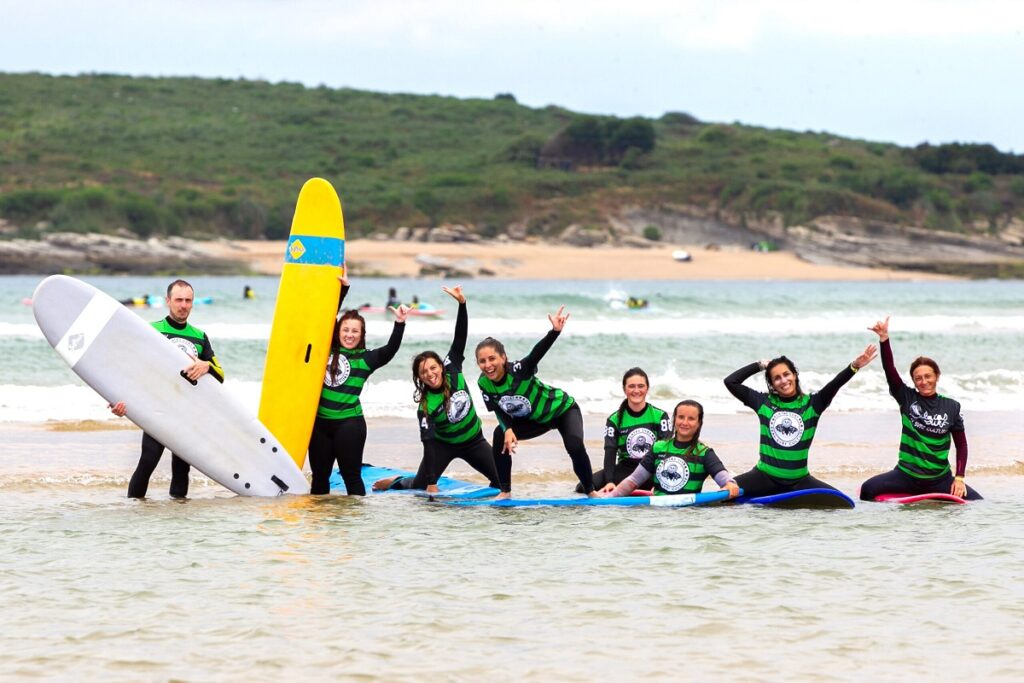
Surfing is much more than just a sport; it is a deep connection with nature, particularly with the ocean. However, as surfers, we are also part of a community that can have a significant impact on the marine environment.
Contenus de la page
The importance of looking after the marine environment
The ocean is home to an incredible diversity of life, but it is also one of the ecosystems most threatened by human activity. Pollution, climate change and over-exploitation are jeopardising its balance, and surfers, as regular users of this environment, must be aware of their responsibility to conserve it.
Why protecting the ocean is essential
-
Climate regulation: the oceans absorb large quantities of carbon dioxide and play a crucial role in regulating the global climate.
-
A haven for biodiversity: the ocean is home to over 80% of life on Earth. From coral reefs to marine species, its health directly influences that of the planet.
-
Essential resources: the sea provides us with food, oxygen and economic resources through fishing and tourism.
The impact of humans on the ocean
-
Plastic pollution: every year, millions of tonnes of plastic end up in the ocean, affecting marine life and ecosystems.
-
Climate change: rising water temperatures and ocean acidification are damaging coral reefs and altering the migration patterns of many species.
-
Urban and chemical waste: untreated sewage and chemical waste contaminate the water and endanger marine life.
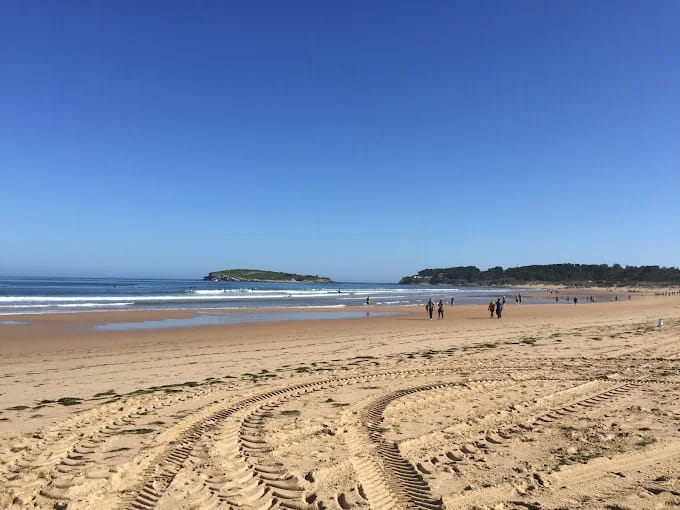
How surfers can reduce their environmental impact
As a community that benefits from and depends on the ocean, surfers have a responsibility to act as guardians of the sea. Adopting sustainable practices benefits the environment and ensures that we can continue to enjoy the waves in the future.
Choose sustainable surfing equipment
Eco-friendly surfboards:
-
Choose boards made from recycled or sustainable materials such as recycled foam, eco-friendly resins or certified wood.
-
Support brands that prioritise responsible production and reduce their carbon footprint.
Sustainable wetsuits:
-
Choose wetsuits made from more environmentally friendly materials, such as Yulex, a renewable alternative to traditional neoprene.
-
Choose brands that minimise the use of harmful chemicals.
Recycled accessories:
-
Use leashes and grips made from recycled materials.
-
Buy biodegradable wax to reduce the amount of chemicals in the water.
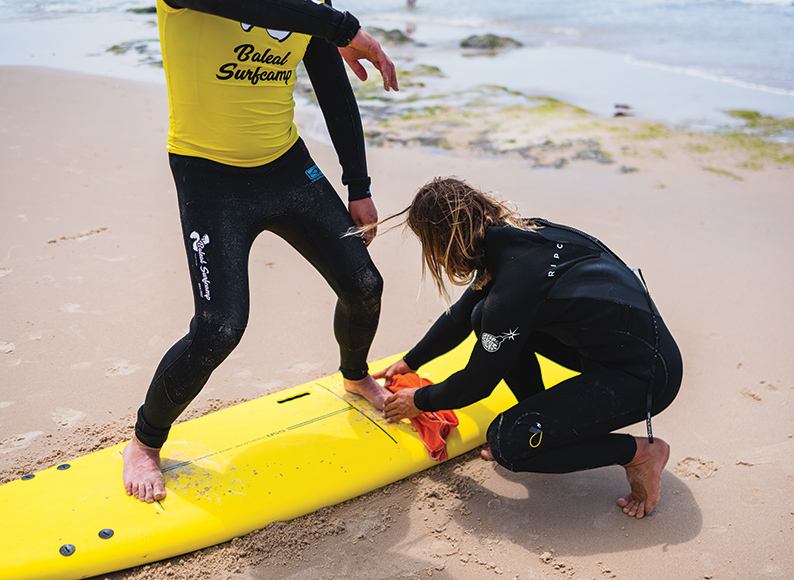
Reduce your carbon footprint as a surfer
Avoid single-use plastics:
- Bring a reusable bottle to stay hydrated.
- Use reusable bags to carry your gear and snacks.
Sustainable initiatives and movements in surfing
In recent years, many organisations have committed to promoting sustainability in surfing. Supporting them can have a real impact on ocean conservation.
Notable organisations
-
Surfrider Foundation: protects and restores oceans, waves and beaches through clean-up and awareness campaigns.
-
Save The Waves: protects key surf spots around the world by establishing “Surf Reserves”.
-
Sustainable Surf: promotes sustainability in the surfing industry, notably through its “EcoBoard Project”, which certifies eco-friendly surfboards.
Sustainable events in the world of surfing
-
International Beach Clean-up Days: get involved in local initiatives to collect litter and restore ecosystems.
-
Sustainable surfing competitions: some events are adopting eco-friendly practices, such as reducing plastic use or offsetting carbon emissions.
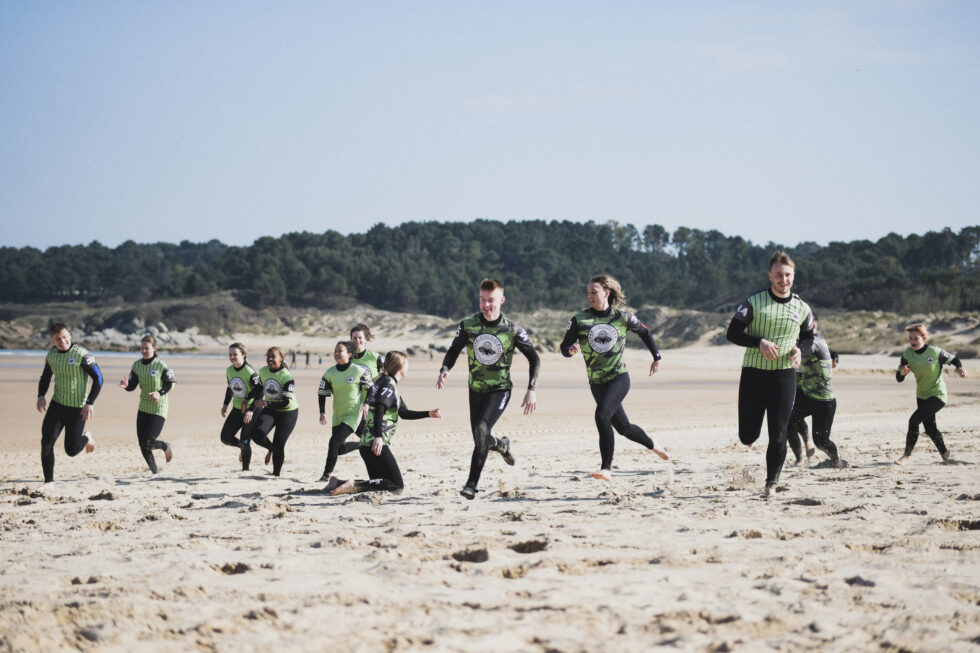
How to help protect the beaches in Cantabria
Cantabria is a surfer’s paradise, with beaches such as Somo offering incredible waves and unique scenery. However, it is essential that local surfers and visitors work together to protect this environment.
Please follow local rules
-
Please do not leave any rubbish on the beach and use the bins provided.
-
Please respect protected areas to preserve natural ecosystems.
Join in with beach clean-ups
In Cantabria, many local organisations regularly organise beach clean-ups. Taking part in these initiatives helps to keep the beaches clean and raises awareness of conservation.
Educate other surfers
As a surfer, you can set an example:
-
Share sustainable practices.
-
Encourage others to get involved in conservation initiatives.
Conclusion
Surfing and sustainability are intrinsically linked. As surfers, we have a responsibility to protect the ocean and the beaches we love so much. Choosing eco-friendly equipment, taking part in beach clean-ups or supporting responsible tourism are all ways to help preserve the marine environment.
At Somo Surf Camp, we are committed to promoting a culture of respect for nature and to providing our surfers with the tools to practise sustainable surfing. If you’d like to find out more about how to surf responsibly whilst enjoying the incredible waves of Cantabria, we look forward to welcoming you to Somo to share our passion for surfing and sustainability!



5 Things to do in Corralejo, Fuerteventura during your Surf Stay
Lire la suite