

Surfing in Morocco for beginners: a practical guide
Surfing in Morocco: 4 seasons in the surfing Mecca
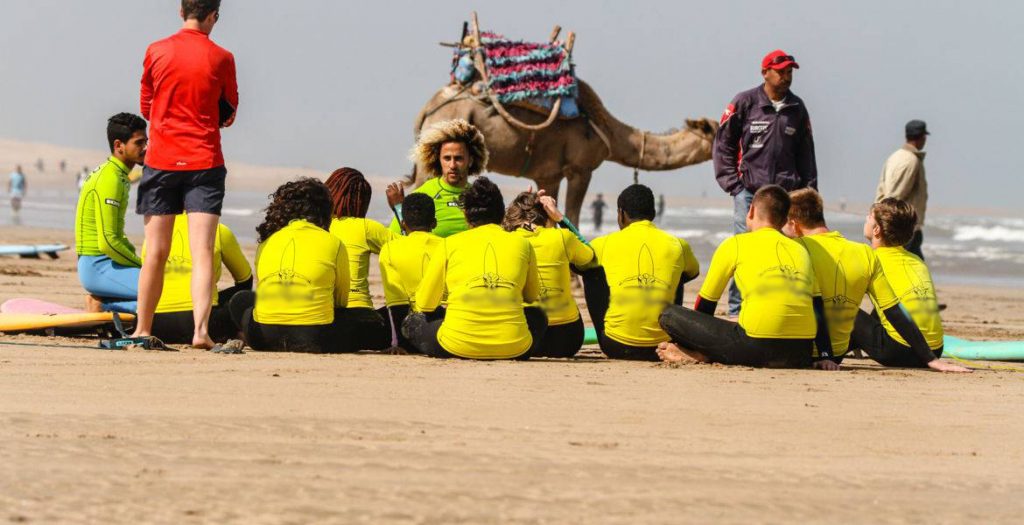
Morocco has established itself as one of the world’s most popular surfing destinations, offering exceptional wave diversity along its 3500 kilometres of Atlantic coastline. From the perfect point breaks of Taghazout to the idyllic lagoons of Dakhla and the powerful waves of Imsouane, the Kingdom of Morocco offers treasures for surfers of all levels.
This land of contrasts, where the Atlantic Ocean meets the Atlas Mountains and the Sahara Desert, offers exceptional surfing conditions practically all year round. Authentic Berber culture, legendary Moroccan hospitality and the low cost of living complete an unforgettable surfing experience.
This detailed guide reveals Morocco’s 10 must-see spots, with an in-depth technical analysis of each one, the best videos to visualise the conditions, and all the practical advice you need to organise your perfect surfing trip.
Contenus de la page
Discover the legendary waves of the Kingdom of Morocco, from Taghazout to Dakhla
1. ANCHOR POINT (TAGHAZOUT) – THE MOROCCAN LEGEND
The Holy Grail of Moroccan Surfing
Anchor Point epitomises the perfection of Moroccan surfing. This legendary right-hand break, located a few kilometres north of Taghazout, attracts surfers from all over the world with its consistency, length and technical sections. Considered one of the best point breaks on the planet, Anchor Point offers rides that can exceed 400 metres in optimal conditions.
Technical analysis of Anchor Point:
Characteristics of the Wave
- Type: Right-hand point break on rocky bottom
- Length: 200 to 400 metres depending on conditions
- Sections: Multiple, from take-off to inside
- Power: Moderate to powerful depending on swell
- Shape: Perfectly formed, consistent wall
Optimal Conditions
- Swell: North-west, 1.5 to 4 metres
- Period: 12 to 16 seconds ideal
- Wind: Offshore (east) or no wind
- Tide: Mid-tide rising to high tide
- Season: October to April (winter swell)
Level and Safety
- Required level: Advanced intermediate to expert
- Hazards: Rocks, currents, large crowds
- Paddle out: From the rocky point
- Rules: Respect priorities, patience required
- Rescue: Informal surveillance, hospital in Agadir
Sections of the Wave
- Outside: Take-off technique, fast section
- Middle: Perfect wall, manoeuvres possible
- Inside: Slower section, longboard friendly
- End section: Closeout on the inner reef
Must-see videos from Anchor Point:
🎥 Video 1 : “ANCHOR POINT FIRES UP – MOROCCO, AFRICA”
»Duration: Full session in perfect conditions
Highlights: Shows the power and length of the wave, expert level
Analysis: Conditions of 2-3 metres with long periods, perfectly formed waves
🎥 Video 2 : “ANCHOR POINT – SURFING TAGHAZOUT MASTERPIECE”
Duration: Full documentary on the spot
Highlights: Technical analysis, local interviews, different conditions
Analysis: Overall view of the spot, from approach to session
Practical Advice
- Best time: Early morning (6am-9am) to avoid the crowds
- Equipment: 6’0″ to 6’6″ shortboard, 3/2mm wetsuit
- Accommodation: Taghazout village, 5 minutes by car
- Respect: Sacred spot, patience and humility required
- Alternative: If too big, go to La Source or Banana Point
2. IMSOUANE – THE LONGEST STRAIGHT STRETCH IN AFRICA
The Moroccan Longboard Paradise
Imsouane, a small fishing village located between Essaouira and Agadir, is home to one of Morocco’s most magical waves. Nicknamed “Africa’s longest right-hand wave”, this perfect wave can offer rides of over 800 metres in optimal conditions. Imsouane combines Berber authenticity, world-class waves and a relaxed atmosphere.
Technical analysis of Imsouane:
The Two Main Spots
The Bay (La Baie)
- Type: Right-hand point break on sandy and rocky bottom
- Characteristics: Long, gentle wave, perfect for longboarding
- Level: Beginner to intermediate
- Length: 300 to 800 metres depending on conditions
- Shape: Perfect wall, constant speed
The Cathedral (La Cathédrale)
- Type: Powerful beach break
- Characteristics: Shorter but more technical waves
- Level: Intermediate to expert
- Conditions: Works with big swells
- Shape: Multiple peaks, hollow sections
Optimal Conditions
- Swell: North-west, 1 to 3 metres
- Period: 10 to 14 seconds
- Wind: Offshore (east) in the morning
- Tide: All tides, preferably mid-tide
- Season: October to May (maximum consistency)
Why is Imsouane unique?
- Exceptional length: Endless runs
- Perfect shape: Consistent wall with no sections
- Accessibility: All levels depending on the spot chosen
- Atmosphere: Authentic village, no mass tourism
- Consistency: Operates 200+ days per year
Essential videos from Imsouane:
🎥 Video 1 : “Surfing Imsouane beach – the longest right hander in Morocco”
Duration: Full session showing the length of the wave
Highlights: Perspective of the length, longboard style, village atmosphere
Analysis: Perfect conditions 1.5-2m, demonstration of the magic of Imsouane
🎥 Video 2 : “A Day in Imsouane | Morocco’s Best Surf Town 2025”
Duration: Full-length lifestyle documentary
Highlights: Local life, Berber culture, varied sessions, practical advice
Analysis: Comprehensive overview of the Imsouane experience beyond surfing
Practical Advice
- Ideal equipment: 9’0″+ longboard or 7’6″-8’6″ fun board
- Wetsuit: 3/2mm sufficient all year round
- Accommodation: Local guesthouses, camping possible
- Food: Grilled fish, authentic tagines
- Activities: Fishing, hiking, Berber culture discovery
3. ESSAOUIRA – THE PEARL OF THE ATLANTIC
Surfing and Culture in the Windy City
Essaouira, formerly known as Mogador, combines UNESCO heritage with exceptional surfing conditions. This 18th-century fortified city offers a unique experience combining surfing, culture, gastronomy and crafts. The constant winds make Essaouira a paradise for surfing, kitesurfing and windsurfing.
Technical analysis of Essaouira:
Diversity of Spots
Essaouira Beach (Main Beach)
- Type: Beach break with rocky sections
- Level: Beginner to intermediate
- Features: Consistent waves, protected by the bay
- Advantages: Accessible, supervised, complete infrastructure
- Disadvantages: Strong wind in the afternoon
Sidi Kaouki (15km south)
- Type: Expansive beach break with reef breaks
- Level: All levels depending on the area
- Features: Huge beach, numerous peaks
- Conditions: More exposed, more powerful waves
- Atmosphere: Wilder, less crowded
Special Conditions
- Dominant wind: North-east (offshore in the morning)
- Afternoon: Strong wind, difficult surfing conditions
- Swell: North-west, constant
- Temperature: Water 16-22°C, air 18-28°C
- Season: All year round, preferably autumn-winter
Specific features of Essaouira
- Constant wind: Ideal for kitesurfing/windsurfing
- Morning sessions: Optimal surfing conditions
- Diversity: Beach breaks and point breaks
- Culture: UNESCO Medina, Gnawa festivals
- Gastronomy: Fresh fish, local specialities
Representative videos of Essaouira:
🎥 Video 1 : “SURFING ESSAOUIRA MOROCCO Day in the Life”
Duration: Full day of surfing and culture
Highlights: Morning conditions, medina, local lifestyle, variety of activities
Analysis: Shows the richness of the Essaouira experience beyond surfing
🎥 Video 2 : “Morocco – Dudu Levi Windsufing In Dakhla And Essaouira”
Duration: Focus on wind conditions
Highlights: Windsurfing/kitesurfing conditions, weather analysis, windy spots
Analysis: Understanding the wind conditions that have made Essaouira famous
Practical Advice
- Sessions: Early morning (6am-10am) before the wind picks up
- Equipment: All-round board, 3/2mm wetsuit
- Accommodation: Riads in the medina, modern hotels
- Culture: Visit the medina, fishing port, artisan workshops
- Gastronomy: Grilled fish at the port, local pastries
4. DAKHLA – A PARADISE FOR WATER SPORTS
The Saharan Oasis of Waves and Wind
Dakhla, located in the Western Sahara 1,200 km south of Casablanca, is one of the most exceptional spots on the planet for board sports. This desert peninsula offers unique conditions: turquoise lagoons for kitesurfing, ocean waves for surfing, and breathtaking landscapes.
Technical analysis of Dakhla:
Diversity of Conditions
Lagoon Side (East)
- Type: Flat waters, sheltered lagoons
- Activities: Kitesurfing, windsurfing, SUP
- Level: Beginner to expert depending on area
- Conditions: Constant wind, warm water
- Safety: Ideal conditions for learning
Ocean side (West)
- Type: Beach breaks and point breaks
- Activities: Surfing, bodyboarding
- Level: Intermediate to expert
- Conditions: Powerful waves, cooler water
- Challenges: Currents, isolation
Exceptional Conditions
- Wind: 300+ days per year, 15-35 knots
- Direction: Predominantly north-east (offshore ocean)
- Water temperature: 18-24°C depending on season
- Air temperature: 20-35°C, desert climate
- Swell: North Atlantic, constant west coast
Main Spots
- Speed Spot: Pure speed in kitesurfing
- Dragon Island: Legendary isolated spot
- Westpoint: Waves and wind combined
- Lassarga: Beginner conditions
- Foum Labouir: Powerful waves
Iconic videos of Dakhla:
🎥 Video 1 : “Dakhla Spot Guide Dudu Levi”
Duration: Complete guide to spots
Highlights: Technical analysis of spots, optimal conditions, professional advice
Analysis: Expert insight into Dakhla’s endless possibilities
🎥 Video 2 : “ION CLUB Essaouira 1 Dakhla – Your Windsurf & Kitesurf Destinations”
Duration: Complete destination presentation
Highlights: Infrastructure, accommodation, conditions, varied activities
Analysis: Understanding how to organise a trip to Dakhla
Practical Advice
- Access: Flight from Casablanca to Dakhla (1 hour 30 minutes)
- Accommodation: Specialised camps, hotels, bivouacs
- Equipment: On-site hire recommended
- Season: October to May is optimal
- Preparation: Kitesurfing/windsurfing skills required
5. KILLER POINT (TAGHAZOUT) – THE TECHNICAL CHALLENGE
The Wave of Expert Surfers
Killer Point, located between Anchor Point and Hash Point, lives up to its name. This powerful and technical right-hand break does not forgive mistakes and reserves its favours for the most experienced surfers. When conditions are right, Killer Point offers one of the most perfect and demanding waves in Morocco.
Technical analysis of Killer Point:
Extreme Features
- Type: Right-hand point break on rocky reef
- Power: Very powerful, hollow waves
- Length: 150-300 metres depending on swell
- Difficulty: Experts only
- Danger: Outcropping reef, strong currents
Requirements
- Minimum swell: 2.5 metres to operate
- Optimal swell: 3-5 metres, period 14+ seconds
- Wind: Offshore mandatory or no wind
- Tide: Mid-tide to high tide
- Season: December to March (big swells)
Technical Sections
- Take-off: Very steep, total commitment
- First section: Tube possible, very technical
- Middle: Vertical wall, radical manoeuvres
- End section: Watch out for rocks
Hazards and Safety
- Sharp reef: Frequent injuries
- Strong currents: Experience required
- Isolation: Few surfers, limited assistance
- Conditions: Only works in rough weather
- Respect: Spot reserved for experienced experts
Videos of Killer Point:
🎥 Video 1 : “High-tide and 16 Second Period at Anchor Point – Morocco”
Duration: Extreme conditions in the Taghazout area
Highlights: Demonstrates the power of waves during heavy swells
Analysis: Understanding the conditions that activate Killer Point
🎥 Video 2 : “Madraba-SURFING IN ANCHOR POINT”
Duration: Technical session in the northern Taghazout area
Key points: Technical level required, commitment necessary
Analysis: Visualise the level required for these expert spots
Tips for Experts
- Preparation: Full warm-up required
- Equipment: 6’6″-7’2″ board gun, thick wetsuit
- Buddy system: Never surf alone
- Conditions: Check weather and tide forecasts
- Humility: Respect the power of the wave
6. HASH POINT (TAGHAZOUT) – THE TECHNICAL ALTERNATIVE
The Perfect Balance Between Accessibility and Performance
Hash Point offers an interesting alternative between the crowds at Anchor Point and the extreme difficulty of Killer Point. This technical right-hand break allows experienced intermediate surfers to experience the thrill of Moroccan point breaks in more manageable conditions.
Technical analysis of Hash Point:
Balanced Features
- Type: Right-hand point break on mixed bottom
- Level: Confirmed intermediate to expert
- Length: 100-250 metres depending on conditions
- Power: Moderate to powerful
- Technicality: Varied sections, progression possible
Operating Conditions
- Swell: 1,5 to 4 metres
- Period: 10 to 15 seconds
- Wind: Offshore or light onshore
- Tide: All tides, preferably mid-tide
- Season: October to April
Sections of the Wave
- Outside: Accessible take-off, formed wall
- Middle: Technical section, manoeuvres possible
- Inside: Gentler, smooth finish
- Channel: Easy return through the channel
Benefits of Hash Point
- Less crowded than Anchor Point
- More accessible than Killer Point
- Consistency: Often works
- Progression: Ideal for improving your level
- Safety: Less dangerous than extreme spots
Hash Point videos:
🎥 Video 1 : “Anchor Point – Morocco – RAWFILES – 29/JAN/2025 4K”
Duration: Recent high-quality session
Highlights: Perfect conditions, modern technology, image quality
Analysis: Demonstrates the technical potential of Taghazout’s spots
🎥 Video 2 : “Surfing Anchor Point Morocco | Vibe & Crowd Check”
Duration: Atmosphere and crowd analysis
Strengths: Reality of surfing in Taghazout, crowd management
Analysis: Understanding why to look for alternatives such as Hash Point
Practical Advice
- Equipment: 6’0″-6’6″ shortboard, 3/2mm wetsuit
- Timing: Avoid peak hours at Anchor Point
- Progression: Excellent spot for taking your surfing to the next level
- Respect: Priority given to locals and experienced surfers
- Safety: Watch out for rocks, buddy system recommended
7. BANANA POINT (TAGHAZOUT) – PERFECT ACCESSIBILITY
Point Break for Everyone
Banana Point is the perfect introduction to Moroccan point breaks. This accessible wave allows intermediate surfers to experience the unique sensations of Taghazout’s right-handers without the intimidation of Anchor Point or the difficulty of Killer Point.
Technical analysis of Banana Point:
Accessible Features
- Type: Right-hand point break on sandy bottom
- Level: Intermediate beginner to experienced
- Length: 80-200 metres depending on conditions
- Power: Gentle to moderate
- Shape: Regular wall, predictable sections
Favourable Conditions
- Swell: 1 to 3 metres sufficient
- Period: 8 to 14 seconds
- Wind: Tolerates light onshore winds
- Tide: Works at all tides
- Season: October to May, more consistent
Educational Benefits
- Learning: Ideal for understanding point breaks
- Safety: Sandy bottom, fewer hazards
- Consistency: Works with small swells
- Progression: Allows you to move on to more technical spots
- Atmosphere: Less pressure, more relaxed
Progressive Sections
- Take-off: Easy, accessible wall
- Middle: Learning trajectories
- Inside: Gentle section to finish
- Reform: Option to continue
Videos of Banana Point:
🎥 Video 1 : “Morocco Surf Travel Guide – Taghazout Spots”
Highlights: Overview of accessible spots in Taghazout
Analysis: Understanding the hierarchy of spots according to level
🎥 Video 2 : “Beginner Surf Spots Morocco – Taghazout Guide”
Key points: Tips for beginners on point breaks
Analysis: Methodical progression towards more technical spots
Tips for Progressing
- Equipment: 7’0″-8’0″ fun board or longboard
- Technique: Learn how to position yourself on a point break
- Observation: Study more experienced surfers
- Patience: Understand sets and priorities
- Progression: Move on to Hash Point then Anchor Point
8. LA SOURCE (TAGHAZOUT) – THE SCHOOL OF POINT BREAKS
Gentle Learning
La Source, Taghazout’s iconic spot, serves as a natural school for learning point breaks. This gentle and consistent wave allows beginners and intermediate surfers to learn the specifics of Moroccan surfing in a safe environment.
Technical analysis of La Source:
Educational Features
- Type: Right-hand point break on mixed bottom
- Level: Beginner to intermediate
- Length: 50-150 metres
- Power: Gentle to moderate
- Shape: Regular wall, very predictable
Learning Conditions
- Swell: 0,5 to 2,5 metres
- Period: 6 to 12 seconds
- Wind: Tolerates all conditions
- Tide: Works at all tides
- Consistency: Waves present 250+ days/year
Educational Benefits
- Maximum safety: No major hazards
- Learning: Understanding point breaks
- Consistency: Always waves to practise on
- Proximity: In the heart of Taghazout
- Supervision: Numerous surf schools
Natural Progression
- Foam: Learning to take off
- Green waves: First turns
- Positioning: Understanding sets
- Priorities: Learning the rules
- Progression: Moving on to more technical spots
Videos from La Source:
🎥 Video 1 : “Learn to Surf in Taghazout Morocco – Beginner Guide”
Strengths: Learning method, step-by-step progression
Analysis: Understanding the importance of teaching spots such as La Source
🎥 Video 2 : “Taghazout Surf Lessons – From Beginner to Intermediate”
Strengths: Technical development, advice from local instructors
Analysis: See natural progression at Taghazout spots
Tips for Getting Started
- Equipment: Longboard or stable fun board
- Lessons: Take a few lessons with a local instructor
- Safety: Respect other surfers
- Patience: Take the time to learn
- Observation: Watch experienced surfers
9. SAFI – PRESERVING AUTHENTICITY
The Hidden Gem of Moroccan Surfing
Safi, a historic city located between Casablanca and Essaouira, is home to one of Morocco’s best-kept surfing secrets. This authentic destination offers quality waves in an environment untouched by mass tourism, allowing for total immersion in traditional Moroccan culture.
Technical analysis of Safi:
Unique Features
- Type: Powerful right-hand point break
- Level: Advanced intermediate to expert
- Length: 200-400 metres depending on conditions
- Power: Moderate to very powerful
- Authenticity: Few foreign surfers
Specific Conditions
- Swell: 2 to 5 metres to operate
- Period: 12 to 16 seconds optimal
- Wind: Offshore prevailing in the morning
- Tide: Mid-tide to high tide
- Season: November to March (big swells)
Challenges and Considerations
- Access: More difficult than Taghazout
- Infrastructure: Less developed for tourism
- Language: Mainly Arabic/Berber
- Accommodation: Limited options
- Isolation: Few foreign surfers
Videos of Safi:
🎥 Video 1 : “Hidden Gems Morocco Surf – Safi Sessions”
Highlights: Discover secret spots, authentic conditions
Analysis: Understanding the appeal of lesser-known destinations
🎥 Video 2 : “Morocco Surf Road Trip – Beyond Taghazout”
Highlights: Exploration of the Moroccan coast, alternative spots
Analysis: Overview of surfing opportunities in Morocco
Tips for Safi
- Preparation: Essential prior research
- Transport: Car hire recommended
- Accommodation: Book in advance
- Respect: Very traditional local culture
- Autonomy: Be independent and resourceful
10. MEHDIA (RABAT) – THE SURFING CAPITAL
Urban Surfing and Accessibility
Mehdia, located near Rabat, offers a unique surfing experience by combining proximity to the capital, international accessibility and consistent waves. This convenient destination allows you to discover Moroccan surfing during a short break or as an addition to a business trip.
Technical analysis of Mehdia:
Urban Characteristics
- Type: Beach break with rocky sections
- Level: All levels depending on the area
- Length: Extensive beach, numerous peaks
- Consistency: Waves present all year round
- Accessibility: Close to international airport
Favourable Conditions
- Swell: 1 to 3 metres sufficient
- Period: 8 to 14 seconds
- Wind: Variable, offshore in the morning
- Tide: Works at all tides
- Season: All year round, autumn-winter optimal
Practical Advantages
- Proximity to airport: 45 minutes from Rabat-Salé
- Infrastructure: Various accommodation options
- Transport: Easy access to public transport
- Safety: Developed tourist area
- Combination: Surfing + visit to Rabat
Main Spots
- Mehdia Beach: Main beach break
- Plage des Nations: More exposed, bigger waves
- Temara: Alternative further south
- Skhirat: More technical spots
Videos of Mehdia:
🎥 Video 1 : “Surfing Near Rabat Morocco – Mehdia Beach”
Strengths: Typical conditions, accessibility, infrastructure
Analysis: Understanding the appeal of urban surfing in Morocco
🎥 Video 2 : “Morocco Surf Guide – Northern Spots Rabat Region”
Highlights: Overview of the northern region, alternative spots
Analysis: Discover surfing opportunities near major cities
Practical Advice
- Timing: Ideal for short stays
- Equipment: Rental available on site
- Accommodation: Wide choice in Rabat/Salé
- Culture: Visit Rabat, Hassan II, Oudayas
- Transport: Easy train journey between Rabat and Casablanca
DETAILED COMPARISON OF THE 10 SPOTS
Complete Comparison Table
| Spot | Level | Type | Min Swell | Season | Crowd | Authenticity |
|---|---|---|---|---|---|---|
| Anchor Point | Expert | Point break | 1,5m | Oct-Apr | ★★★★★ | ★★★ |
| Imsouane | All | Point break | 1m | Oct–May | ★★★ | ★★★★★ |
| Essaouira | All | Beach break | 0,5m | Every year | ★★★ | ★★★★ |
| Dakhla | All | Varied | Variable | Oct-May | ★★ | ★★★★ |
| Killer Point | Expert | Point break | 2,5m | Dec-Mar | ★★ | ★★★ |
| Hash Point | Inter+ | Point break | 1,5m | Oct-Avr | ★★★ | ★★★ |
| Banana Point | Inter | Point break | 1m | Oct-May | ★★ | ★★★ |
| La Source | Beginner | Point break | 0,5m | Every year | ★★★★ | ★★★ |
| Safi | Expert | Point break | 2m | Nov-Mar | ★ | ★★★★★ |
| Mehdia | All | Beach break | 1m | Every year | ★★ | ★★ |
Criteria Analysis
Best Spots for Beginners
- La Source: Maximum safety, ideal for learning
- Imsouane (The Bay): Long, gentle waves
- Essaouira: Complete infrastructure, varied conditions
- Mehdia: Accessible, less intimidating
Spots for Experts
- Killer Point: Maximum technical challenge
- Anchor Point: Technical perfection
- Safi: Power and authenticity
- Hash Point: Accessible technicality
Cultural Authenticity
- Safi: Traditional Morocco preserved
- Imsouane: Authentic Berber village
- Dakhla: Immersion in the Sahara
- Essaouira: Gnawa culture and crafts
Constance of the Waves
- La Source: 250+ days/year
- Imsouane: 200+ days/year
- Essaouira: All year round
- Mehdia: Urban consistency
Value for Money
- Imsouane: Affordable excellence
- Safi: Quality at local prices
- La Source: Economical learning
- Dakhla: A unique experience
COMPLETE PRACTICAL GUIDE
When to go to Morocco for surfing
Best Season (October to April)
- Swell: Active North Atlantic, constant
- Water temperature: 18-22°C, 3/2mm wetsuit
- Air temperature: 20-28°C, ideal conditions
- Wind: Offshore prevailing in the morning
- Crowds: Peak in December-January
Mid-season (May-September)
- Swell: More irregular, flat periods
- Temperature: Warmer, water up to 24°C
- Wind: Stronger in the afternoon
- Advantages: Less crowded, lower prices
- Disadvantages: Less consistent waves
Preparing for the Trip
Documents and Formalities
- Passport: Valid for at least 6 months
- Visa: Not required (stay of less than 90 days)
- Insurance: Travel + repatriation recommended
- Vaccinations: None required, hepatitis A/B recommended
- Currency: Moroccan dirham (MAD)
Surfing Equipment
- Boards: On-site hire recommended
- Wetsuit: 3/2mm October-April, 2/2mm summer
- Accessories: Wax, leash, booties optional
- Protection: SPF 50+ sun cream, lycra
- Repairs: Basic repair kit
Transport and Access
Main Airports
- Agadir: Ideal for Taghazout, Imsouane (1 hour)
- Marrakech: Alternative, 3 hours’ drive to the coast
- Casablanca: For the north of the country, Mehdia
- Dakhla: Domestic flights from Casablanca
Local Transport
- Car hire: Recommended, total freedom
- Taxis: Negotiation required, fixed prices
- Buses: CTM/Supratours, economical but slow
- Private transfers: Comfortable, higher prices
Accommodation by Destination
Taghazout (Anchor Point, Killer, Hash, Banana, La Source)
- Surf camps: £20-60/night, international atmosphere
- Guesthouses: £15-40/night, authentic
- Hotels: £50-150/night, Western comfort
- Apartments: £25-80/night, long stays
Imsouane
- Local guesthouses: €15-35/night, family-run
- Surf lodges: €30-70/night, specialised
- Camping: €5-15/night, economical
- Guest houses: €20-50/night, charming
Essaouira
- Medina riads: €40-120/night, authentic
- Modern hotels: €60-200/night, comfortable
- Hostels: €15-30/night, budget
- Residences: €35-90/night, families
Dakhla
- Specialised camps: €80-200/night, all inclusive
- Hotels: €50-150/night, standard
- Bivouac: €30-80/night, desert experience
- Guesthouses: €25-60/night, local
Gastronomy and Culture
Culinary Specialities
- Grilled fish: Guaranteed freshness, affordable prices
- Tajines: National dish, many variations
- Couscous: Traditional Friday meal
- Pastilla: Sweet and savoury speciality
- Mint tea: An essential social ritual
Cultural Respect
- Dress code: Cover shoulders/knees outside the beach
- Ramadan: Respect public fasting
- Negotiation: Normal practice, remain polite
- Tips: 10% in restaurants, 5-10 MAD for services
- Photos: Ask permission before photographing people
Provisional Budget
Economy Budget (€30-50/day)
- Accommodation: Hostel/campsite €10-20
- Food: Local restaurants/street food €8-15
- Transport: Bus/shared taxi €5-10
- Surfing: Equipment hire €5-10
- Miscellaneous: Activities/souvenirs €5-10
Medium budget (€50-100/day)
- Accommodation: Guesthouse/riad €25-50
- Food: Decent restaurants €15-25
- Transport: Private taxi/hire €15-25
- Surfing: Lessons + equipment €15-25
- Miscellaneous: Excursions/shopping €10-20
Comfort Budget (€100-200/day)
- Accommodation: Hotel/surf lodge €50-100
- Food: Quality restaurants €25-50
- Transport: Car/private transfers €20-40
- Surfing: Private coaching €30-60
- Miscellaneous: Premium activities €20-40
Health and Safety
Sécurité Surf
- Buddy system: Never surf alone.
- Conditions: Respect your skill level.
- Locals: Listen to advice from experienced surfers.
- Equipment: Check the condition of your leash/board.
- Emergency: Emergency numbers: 15 (ambulance), 19 (fire brigade).
Preventive Health
- Hydration: Drink plenty of fluids, avoid dehydration.
- Sun: Maximum protection, reapply sunscreen.
- Food: Avoid raw vegetables during the first few days.
- Water: Sealed bottles, avoid tap water.
- Pharmacy: Basic kit, personal medication.
Respect for the Environment
Eco-responsibility
- Waste: Systematic beach clean-ups
- Sunscreen: Biodegradable only
- Water: Conserve this precious resource
- Wildlife: Observe without disturbing
- Corals: Do not touch or step on
Preservation of Spots
- Erosion: Use marked trails
- Vegetation: Do not trample dunes
- Wild camping: Avoid protected areas
- Fires: Prohibited on beaches
- Awareness: Educate other travellers
TIPS FOR EVERY LEVEL
Beginners (First Year of Surfing)
Recommended Spots
- La Source: Safe learning environment
- Imsouane (The Bay): Long, gentle waves
- Essaouira: Comprehensive infrastructure
- Mehdia: Accessible and varied
Adapted Equipment
- Board: 9’0″+ longboard or 8’0″+ fun board
- Wetsuit: 3/2mm, comfort priority
- Accessories: Thick leash, soft wax
- Protection: Lycra, sun cream, cap
Specific Advice
- Lessons: Minimum of 3-5 lessons with an instructor
- Safety: Stay in supervised areas
- Progress: Patience and consistency are important
- Respect: Observe before entering the water
- Physical condition: Prepare with swimming/cardio training
Intermediate (1-3 years of experience)
Progression Spots
- Banana Point: Introduction to point breaks
- Hash Point: Increasing technicality
- Imsouane: Improving long waves
- Essaouira: Varied conditions
Upgradeable Hardware
- Board: Fun board 7’6″-8’6″ or shortboard 6’6″+
- Wetsuit: 3/2mm, high mobility
- Accessories: Suitable leash, wax depending on temperature
- Progression: Try out different volumes/shapes
Technical Objectives
- Take-off: Mastering all conditions
- Bottom turn: First fundamental manoeuvre
- Trim: Maintaining speed on the wall
- Cut back: Returning to the foam
- Positioning: Understanding sets
Experts (3+ years, Advanced Level)
Performance Spots
- Anchor Point: Technical perfection
- Killer Point: Maximum challenge
- Safi: Power and authenticity
- Dakhla (ocean): Extreme conditions
Performance Equipment
- Board: 5’8″-6’4″ shortboard, large gun
- Wetsuit: 3/2mm, maximum flexibility
- Accessories: Competition leash, performance wax
- Backup: Spare equipment required
Technical Challenges
- Tubes: Search for perfect barrels
- Manoeuvres: Snaps, floaters, airs
- Conditions: Surfing in rough weather
- Spots: Explore isolated areas
- Progression: Video coaching, technical analysis
MOROCCAN CULTURE AND TRADITIONS
Understanding Authentic Morocco
History and Civilisation
- Berbers: First inhabitants, ancient culture
- Islam: State religion, daily influence
- Dynasties: Almoravids, Almohads, Merinids
- Colonisation: French/Spanish protectorate
- Independence: 1956, constitutional monarchy
Languages and Communication
- Arabic: Official language
- Berber (Amazigh): National language
- French: Widely spoken
- English: Developing for tourism
- Dialect: Darija (Moroccan Arabic)
Local Traditions
Moroccan Hospitality
- Mint tea: Welcome ritual
- Sharing: Frequent invitations
- Respect: Politeness and patience
- Generosity: Fundamental value
- Family: Central social unit
Craftsmanship and Expertise
- Pottery: Safi, a thousand-year-old tradition
- Carpets: Berber, symbolic patterns
- Leather: Fez, renowned leather goods
- Jewellery: Silver, ancestral techniques
- Wood: Marquetry, sculptures
Festivals and Events
Cultural Calendar
- Gnawa Festival: Essaouira, June
- Rose Festival: Kelaat M’Gouna, May
- Moussem: Local pilgrimages
- Ramadan: Holy month, mandatory observance
- Eid: Important religious holidays
Surfing Events
- Anchor Point Classic: Local competition
- Morocco Surf Championship: National
- Surf festivals: Taghazout, Imsouane
- Local contests: All year round
- Surf camp events: Regular activities
CONCLUSION: MOROCCO, AN EXCEPTIONAL SURFING DESTINATION
Morocco has established itself as one of the most comprehensive and authentic surfing destinations in the world. This land of contrasts offers unique diversity: from perfect point breaks to consistent beach breaks, from gentle waves for beginners to the most extreme technical challenges.
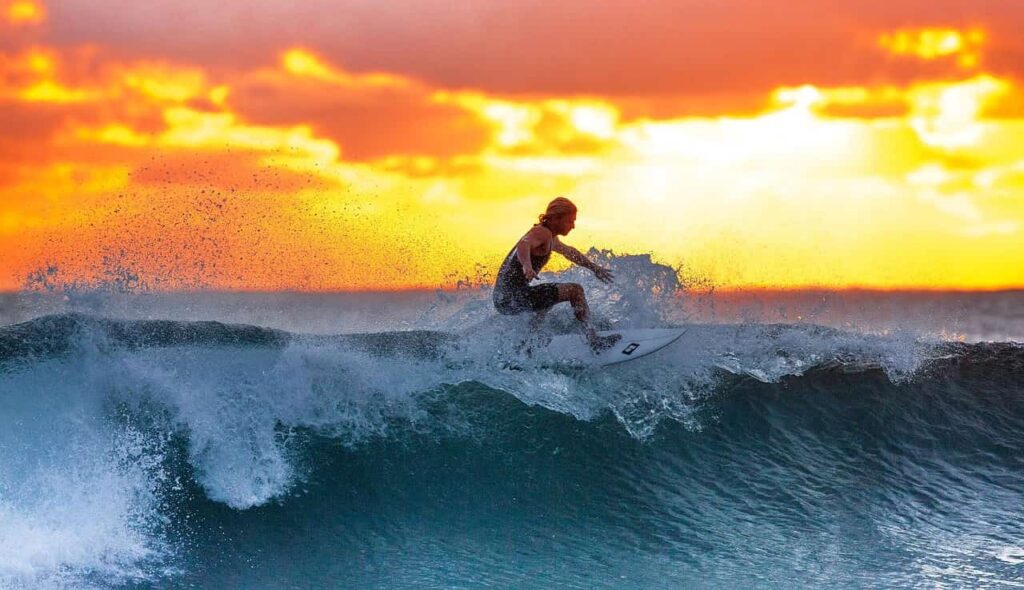
The Unique Advantages of Surfing in Morocco
1.Exceptional Diversity
Few destinations offer such variety within such a small area. From La Source for beginners to Killer Point for experts, every surfer will find something to suit their level and aspirations.
2. Remarkable Consistency
With over 200 days of waves per year at most spots, Morocco guarantees reliable surfing conditions, particularly from October to April.
3. Authenticity Preserved
Despite the growth of tourism, Morocco retains its authenticity. Berber hospitality, ancient traditions and vibrant culture enrich the surfing experience.
4. Optimal Accessibility
Close to Europe (3 hours by plane), with no significant time difference and well-developed infrastructure, Morocco remains accessible while offering a complete change of scenery.
5. Unbeatable Value for Money
With world-class surfing conditions at very affordable prices, Morocco offers the perfect surfing experience without breaking the bank.
Our Final Recommendations
Discover Moroccan Surfing
Start with Taghazout: La Source to begin with, Banana Point to progress, then Anchor Point for excellence. This natural progression will help you understand the magic of Moroccan point breaks.
For Total Authenticity
Explore Imsouane and Safi: These unspoilt destinations offer the most authentic cultural immersion, far from mass tourism.
For Extreme Adventure
Try Dakhla: This Saharan oasis offers a truly unique experience, combining surfing, kitesurfing and desert exploration.
For the Facility
Choose Essaouira: comprehensive infrastructure, rich culture, varied conditions, perfect for a first trip to Morocco.
The Future of Moroccan Surfing
Morocco continues to develop as a global surfing destination while preserving its authenticity. New infrastructure, training for local instructors and environmental awareness promise a bright future for surfing in Morocco.
The Kingdom of Morocco awaits you with its perfect waves, ancient culture and legendary hospitality. It’s up to you to choose your next Moroccan surfing adventure!
This guide has been compiled thanks to the expertise of local surfers, analysis of weather conditions and the experience of thousands of surfers who have explored the Moroccan coast. The information is regularly updated to ensure its accuracy.
Video references: All videos mentioned are available on YouTube and are the best resources for viewing the conditions at each spot before your trip.