



3. How to choose your wetsuit?

5. Enquire at a surf school
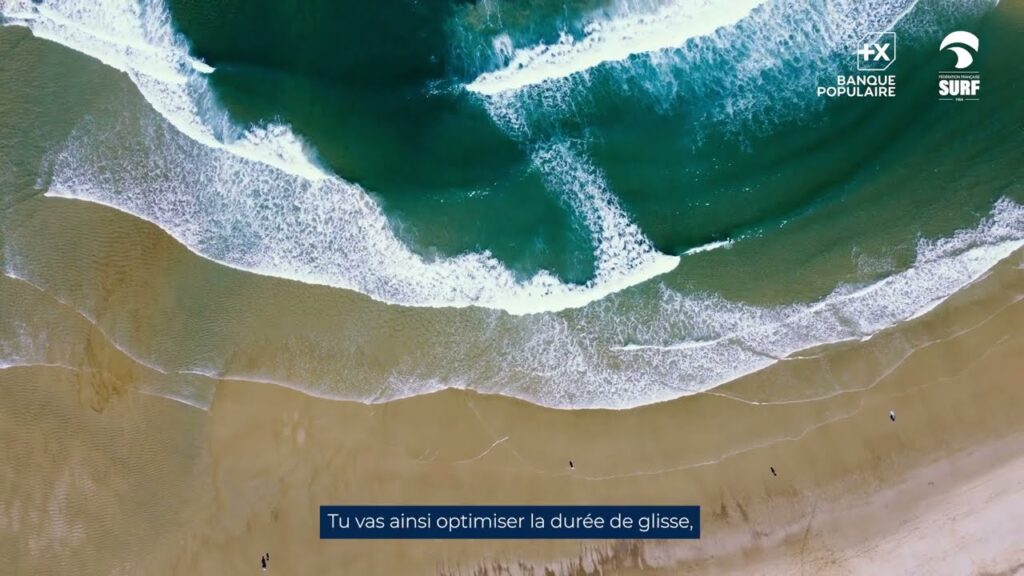
Learning to surf is above all about learning to read the sea. Every wave, every beach and every tide offers unique conditions. To progress safely, it is essential to choose a spot that suits your level — especially when you are just starting out.
Surfing is an exciting but demanding sport. It requires balance, observation and patience. As the sea is an unstable and changing environment, no two waves are alike: every session is different. To get off to a good start, it is therefore best to choose beaches with gentle, regular and safe conditions, which are ideal for learning and discovering the thrill of riding the waves.
Contenus de la page
⚠️ Special for beginners: choose your spot carefully
Before rushing into the water, take a few minutes to observe the beach, the waves and the tide. It’s a simple but essential reflex. Not all spots are the same — and some can quickly turn a dream session into a nightmare.
👉 Focus on safety and gentleness. Look for a large sandy beach where the waves break gently, away from rocks and strong currents. Sandbanks that are exposed at low tide are ideal: the water remains shallow, the waves are regular, and the foam provides the perfect playground for learning to stand up and slide without stress.
🚫 Avoid reef spots (rocky or coral bottoms) and areas crowded with experienced surfers. You will learn less effectively there, and above all, you risk feeling overwhelmed.
👀 Before each session, take the time to observe: look where the waves break, where the surfers are positioned, and spot the rip currents (those subtle currents that pull you back out to sea). If in doubt, ask a local surfer or a surf school for advice — they know the spot better than anyone.
💡 The right spot is the key to learning with peace of mind. This is where you will discover your first real sensations of gliding, with confidence and a smile from ear to ear. 🌞
1. Understanding the challenges of learning to surf
Learning to surf can seem difficult at first, as it depends on many factors:
- Sea conditions (waves, wind, tide) are constantly changing.
- Surfers must maintain constant balance on their boards.
- Waves are unpredictable and never the same.
This complexity makes each session unique — and that’s what makes surfing so appealing. But to learn with peace of mind, it’s essential to start in a safe and suitable environment.
2. Choose a spot that is suitable for beginners
For beginners, the best spots are sandy beaches with a sandbank that is exposed at low tide.
These areas have several advantages:
- Easy launch without the risk of hitting rocks or strong currents.
- Gentle, progressive waves, ideal for learning to stand up on the board.
- A wide, shallow foam zone, perfect for practising your moves safely.
Among the most renowned French spots for beginners are:
- Les Estagnots in the Landes region,
- Hendaye in the Basque Country,
- Lacanau in Gironde.
These beaches offer good safety conditions and waves that are accessible all year round.
3. Start with mosses to progress
Foam, i.e. waves that have already broken, is the ideal learning ground.
It allows you to:
- Optimise gliding time,
- Learn how to position yourself correctly on the board,
- Discover the first sensations of speed and balance.
This is an essential step before venturing onto green (unbroken) waves. By practising in the foam, surfers learn the basics: reading waves, body positioning, coordination and confidence.
Conclusion
Choosing the right spot lays the foundation for successful progress. By favouring safe and suitable beaches, beginner surfers learn faster, gain confidence and discover the true pleasure of surfing. 🌞
Before each session, never forget: observe the sea, respect your level and progress at your own pace.




Where to learn to surf in Fuerteventura, Canary Islands?
Lire la suite